
Optimal Timing for Storm Restorations
Storm restorations are most effective when performed promptly after severe weather events. Timing is crucial to prevent further damage and to ensure the structural integrity of affected properties. The optimal window generally falls within the immediate weeks following a storm, before additional weather conditions or deterioration make repairs more complex.
Conducting inspections shortly after a storm helps identify damage early, enabling timely restoration efforts.
Dry, mild weather provides ideal conditions for repairs and minimizes delays caused by rain or storms.
Spring and early summer often present the best conditions for storm restorations due to generally stable weather patterns.
The extent of damage influences timing; minor issues can be addressed sooner, while extensive damage may require more planning.
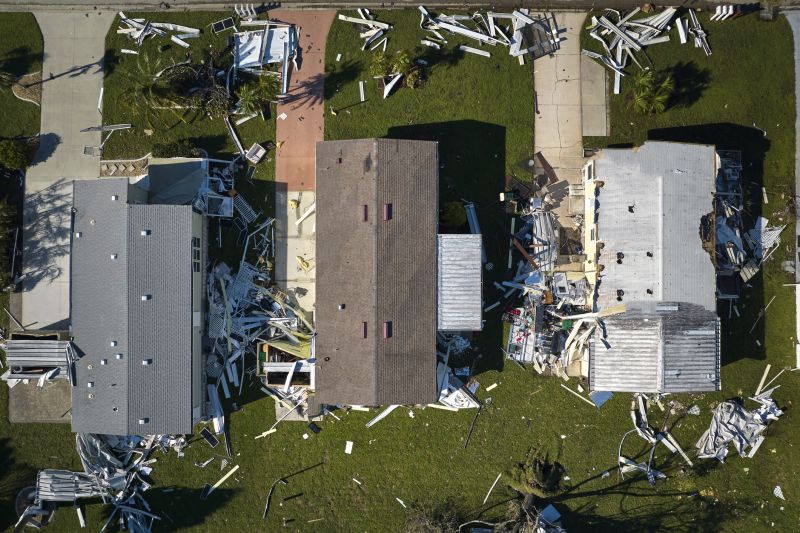
Assessing damage immediately after storms is vital for effective restoration planning.
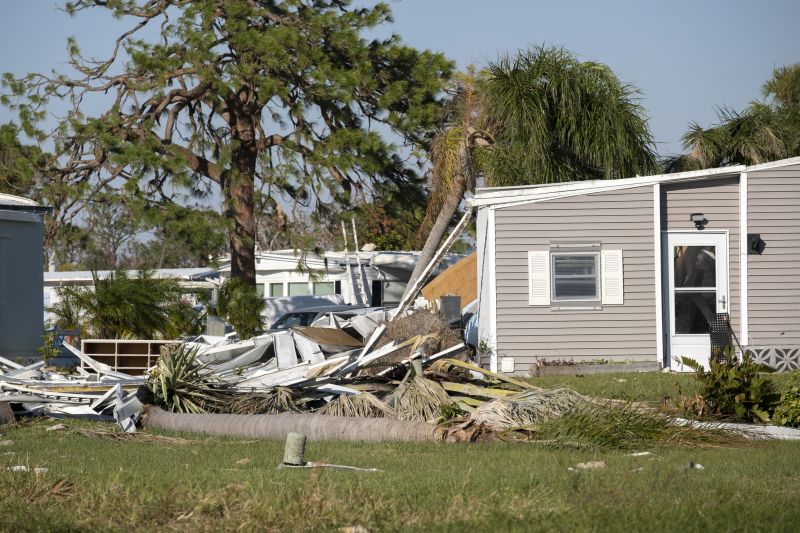
Restoration efforts underway to repair storm damage efficiently.
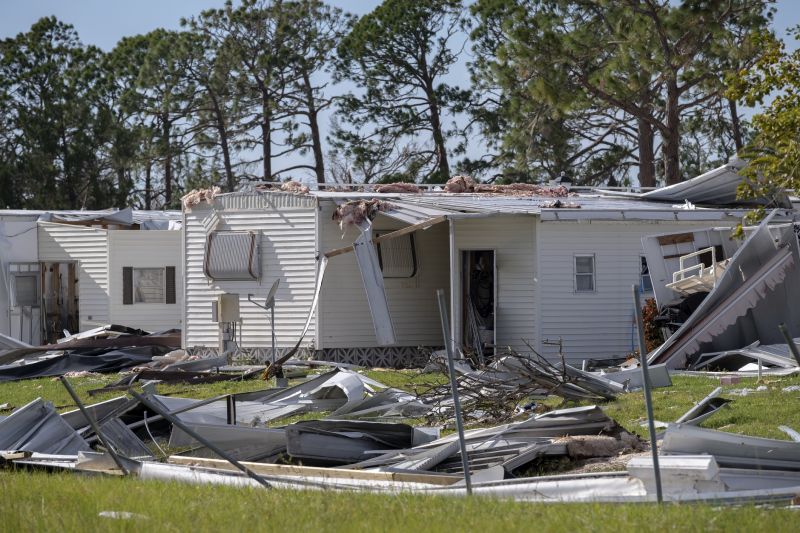
Finished restoration work restoring property integrity.
Ways to make Storm Restorations work in tight or awkward layouts.
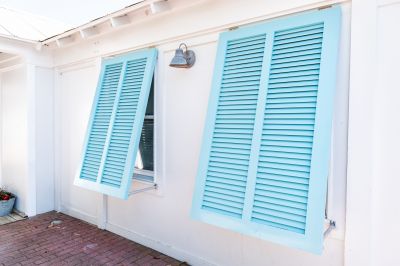
Popular materials for Storm Restorations and why they hold up over time.

Simple add-ons that improve Storm Restorations without blowing the budget.
| Aspect | Details |
|---|---|
| Optimal Timing | Immediately following a storm for best results. |
| Weather Conditions | Dry and mild weather facilitates repairs. |
| Seasonal Windows | Spring and early summer are ideal. |
| Damage Severity | Influences urgency and planning. |
| Contractor Availability | Scheduling during off-peak seasons can be advantageous. |
| Property Type | Residential or commercial structures may require different timing. |
| Local Climate | Weather patterns in Ooltewah influence timing. |
Storm restorations involve assessing damage, repairing structural elements, and restoring property to its pre-storm condition. Prompt action minimizes additional damage and reduces repair costs. Proper timing ensures that restoration efforts are effective and durable, with weather conditions playing a significant role in scheduling. Understanding seasonal patterns and damage severity helps property owners plan appropriately for storm-related repairs.
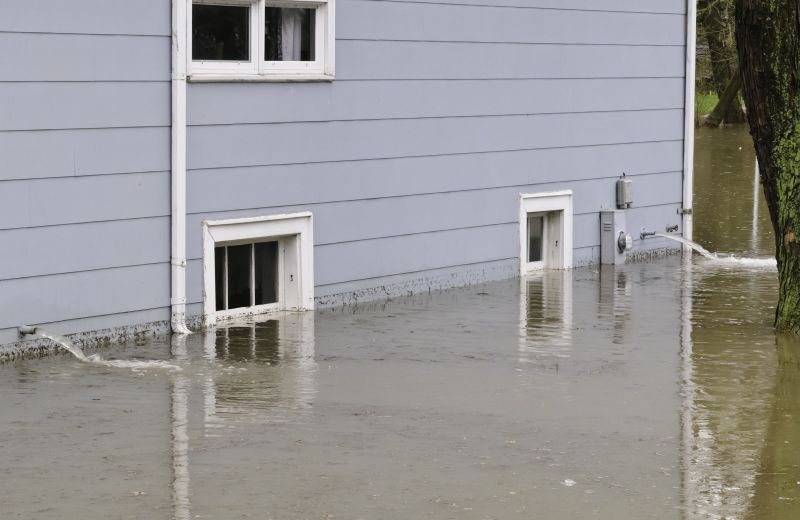
Initial assessment of storm-related damage.

Urgent fixes to prevent further harm.
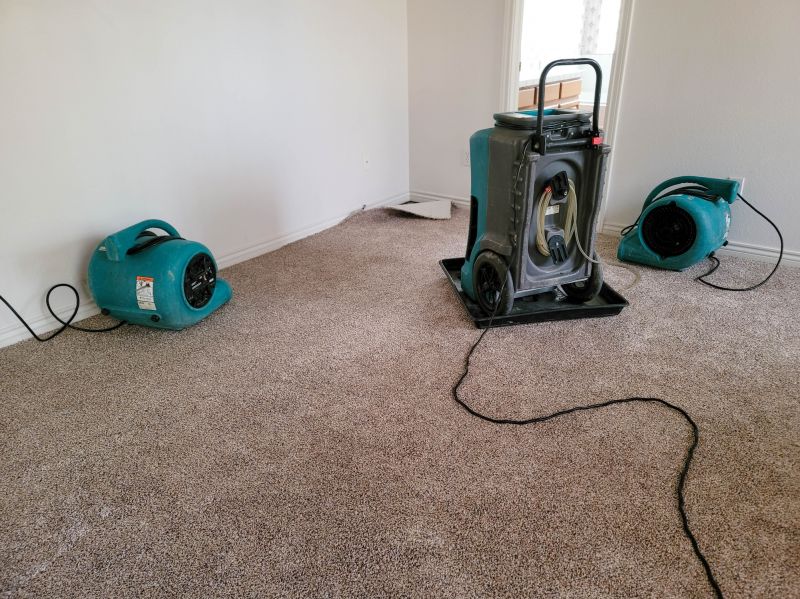
Tools and machinery used in storm repair projects.
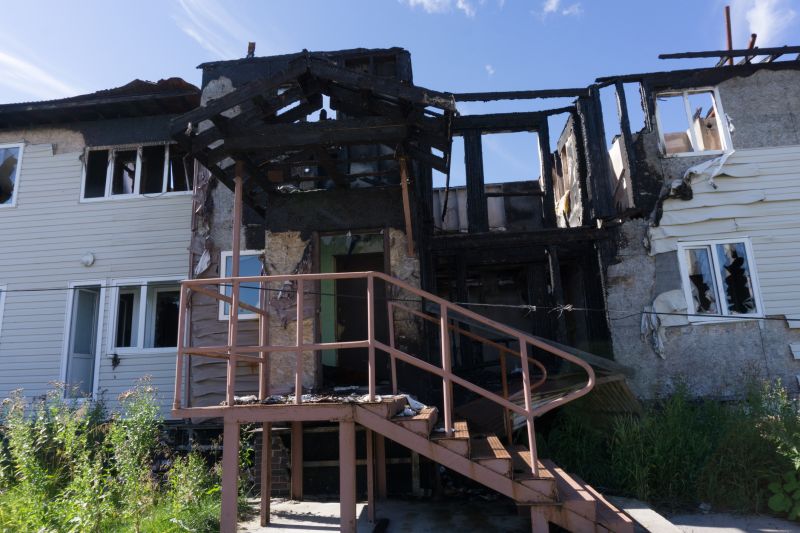
Completion of repairs and property restoration.

High-end options that actually feel worth it for Storm Restorations.
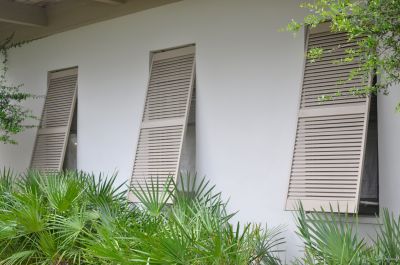
Finishes and colors that play nicely with Storm Restorations.
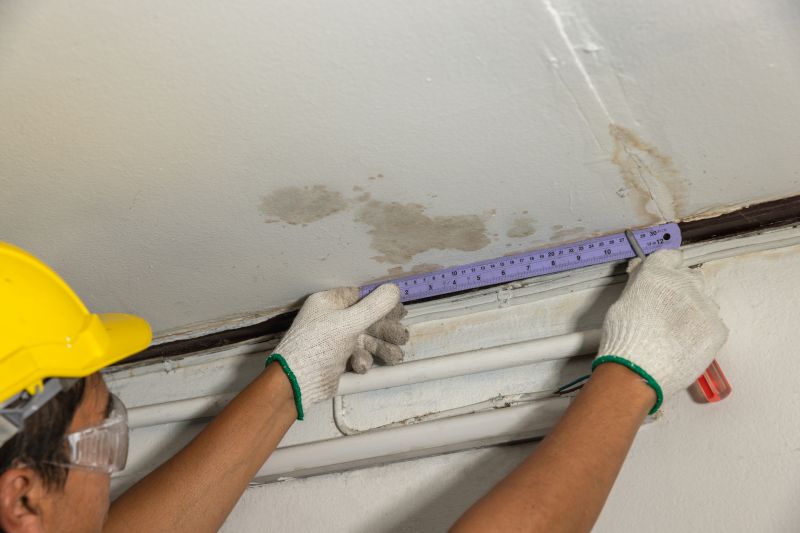
Little measurements that prevent headaches on Storm Restorations day.
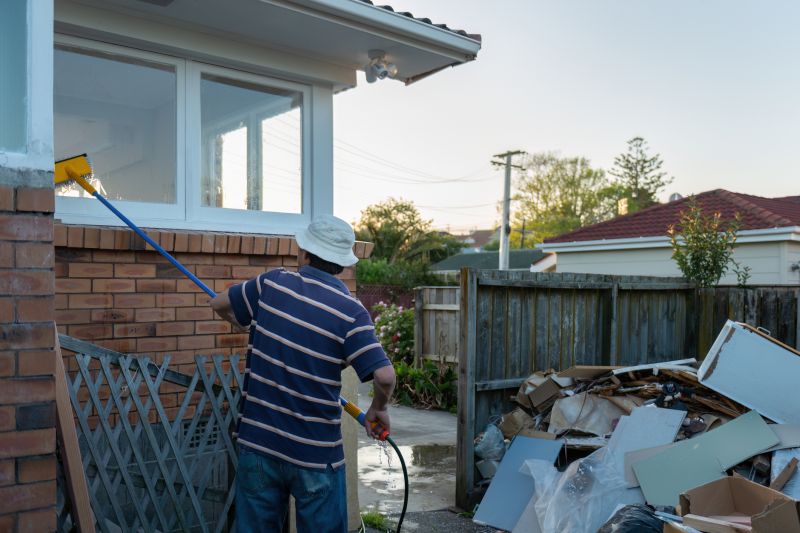
A 60-second routine that keeps Storm Restorations looking new.

A frequent mistake in Storm Restorations and how to dodge it.

Small tweaks to make Storm Restorations safer and easier to use.
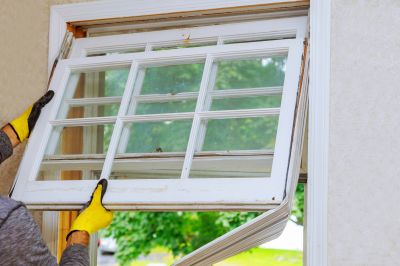
Lower-waste or water-saving choices for Storm Restorations.

The short, realistic tool list for quality Storm Restorations.
Timely storm restorations are essential for maintaining property safety and integrity. Property owners in Ooltewah should monitor weather forecasts and conduct inspections after storms to determine the need for repairs. Early intervention helps prevent secondary issues such as mold growth, structural weakening, and water intrusion. Planning restoration efforts during suitable weather windows ensures efficient and effective repairs, safeguarding properties against future storm damage.
Interested property owners can fill out the contact form to discuss restoration options and scheduling.