
Favorite Storm Restoration Products for Quick Property Recovery
Browse trusted solutions that help you restore your home or business swiftly after storm incidents.
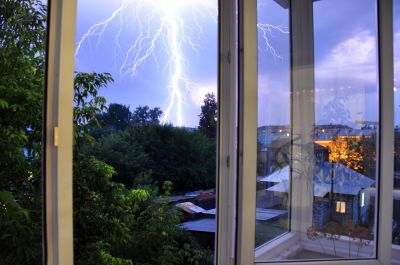 Storm restoration efforts in Ooltewah, TN, often require a comprehensive approach to repair and reinforce structures affected by severe weather conditions. Essential products for storm restoration include durable roofing materials, waterproofing solutions, and reinforced structural components designed to withstand high winds and heavy rainfall. Properly selecting and utilizing these products can help mitigate future damage and restore safety and stability to affected properties.
Top Overall Option
Heavy-Duty Roofing Materials
Heavy-duty roofing materials serve as a fundamental component in storm restoration, providing a robust barrier against wind, rain, and debris. These materials are designed to withstand harsh weather conditions and can be customized to match structural requirements. Selecting high-quality roofing options can contribute to the overall durability and safety of the building during severe storms.
Types of Products For Storm Restorations
Impact-Resistant Windows
Designed to withstand flying debris and high winds, impact-resistant windows are crucial for maintaining structural integrity during storms.
Waterproof Sealants
Sealants help prevent water infiltration around roofs, windows, and doors, protecting interiors from water damage.
Reinforced Doors
Heavy-duty, reinforced doors provide added security and wind resistance for vulnerable entry points.
Storm Shutters
Storm shutters offer an extra layer of protection for windows and glass doors during severe weather events.
Flood Barriers
Portable or permanent flood barriers help divert water away from properties during flooding incidents.
Roof Underlayment
High-quality underlayment materials serve as an additional waterproof layer beneath roofing shingles or panels.
Structural Reinforcement Kits
These kits include braces and supports to strengthen existing structures against high winds and storm impacts.
Heavy-Duty Gutters and Downspouts
Reinforced gutter systems facilitate proper water runoff and reduce water damage risks.
Impact-Resistant Siding
Siding designed to resist impact helps protect walls from debris and wind damage.
Emergency Power Generators
Generators ensure continuous power supply during outages caused by storms.
Portable Sandbags
Sandbags can be used to create temporary barriers against floodwaters.
Weatherproof Paint and Coatings
Protective coatings help shield surfaces from moisture and wind-related wear.
Safety Harnesses and Equipment
Proper safety gear is essential for secure and efficient restoration work at height or in hazardous conditions.
Dehumidifiers and Moisture Absorbers
These devices help control indoor humidity levels after storm-related water intrusion.
Inspection and Repair Tools
Specialized tools facilitate accurate assessment and repair of storm damage.
Temporary Roofing Tarps
Tarps provide immediate protection for damaged roofs before permanent repairs are made.
Popular Choices
Widely used to protect homes from storm debris and high winds.
Commonly installed to safeguard windows during severe weather.
Frequently selected for their durability and weather resistance.
Popular for flood-prone areas to prevent water intrusion.
Essential for sealing cracks and vulnerable joints after storm damage.
Chosen for added security and wind resistance.
Effective for quick flood defense measures.
Used to enhance exterior resilience against debris impact.
Valued for maintaining essential functions during outages.
Commonly used for emergency protection of damaged roofs.
Popular for drying out interiors after water intrusion.
Often employed to stabilize compromised structures.
Selected for efficient water drainage during storms.
Applied to exterior surfaces for added water resistance.
Commonly used by restoration workers for safe access.
Popular for assessing storm-related damages efficiently.
When undertaking storm restoration, it is important to consider the quality and appropriateness of each product for specific needs. For example, weather-resistant sealants and protective coatings can significantly enhance the longevity of repaired surfaces. Additionally, safety equipment such as heavy-duty ladders, scaffolding, and protective gear ensures that restoration work can be carried out efficiently and securely.
In storm-prone areas like Ooltewah, TN, having a variety of products on hand can facilitate a swift response to damage. From impact-resistant windows to reinforced doors and flood barriers, the range of available products allows homeowners and contractors to tailor their restoration efforts to the unique challenges posed by local weather patterns. Proper planning and product selection are key to effective storm recovery and long-term resilience.
Key Buying Considerations
- Assess the specific storm risks in your area, such as wind speeds and flood likelihood.
- Choose products that meet or exceed local building codes and safety standards.
- Consider the durability and impact resistance of materials for long-term performance.
- Evaluate the ease of installation and whether professional assistance is needed.
- Look for products with proven waterproofing and weatherproofing capabilities.
- Ensure compatibility of new products with existing structures for seamless integration.
- Prioritize safety features and protective equipment for workers and occupants.
- Review product warranties and manufacturer support for ongoing reliability.
- Factor in the ease of maintenance and repair over the lifespan of the products.
- Determine the urgency of response and select products suitable for quick deployment.
- Consider budget constraints while balancing quality and durability.
- Research product reviews and user feedback for real-world performance insights.
- Check for availability of replacement parts and accessories.
- Evaluate the environmental conditions, such as humidity and temperature variations.
- Plan for future storm events by selecting versatile and adaptable products.